The ESRC SCDTP is pleased to welcome our 2026/27 cohort of Postdoctoral Fellows. This year’s group brings together researchers working across psychology, sociology and human geography at the Universities of Southampton and Portsmouth.
Daniel Griffiths is researching gender euphoria and authenticity among transgender, non-binary and gender diverse people; Fraedan Mastrantonio is examining the intersections of non-binary and autistic identities, sexuality and wellbeing; Qianwen Duan is studying population redistribution and counter-urbanisation using mobile phone data; and Wenjin Liu is investigating the psychological mechanisms underlying help-seeking for psychosis. Varsha Shankar, based at the University of Portsmouth, will be joining the cohort shortly. Danyang Li, one of our 2025/26 Postdoctoral Fellows, has also extended her fellowship into this year and remains part of our current cohort.
For more detailed information about the scheme, please visit our ESRC SCDTP Postdoctoral Fellowship Scheme page, where you’ll find all the relevant criteria, deadlines, and application guidelines.
Explore our previous cohorts
Should you have any questions, or would like to get in touch with any of our fellows, please don’t hesitate to contact us. We’re here to help and look forward to supporting their continued success.
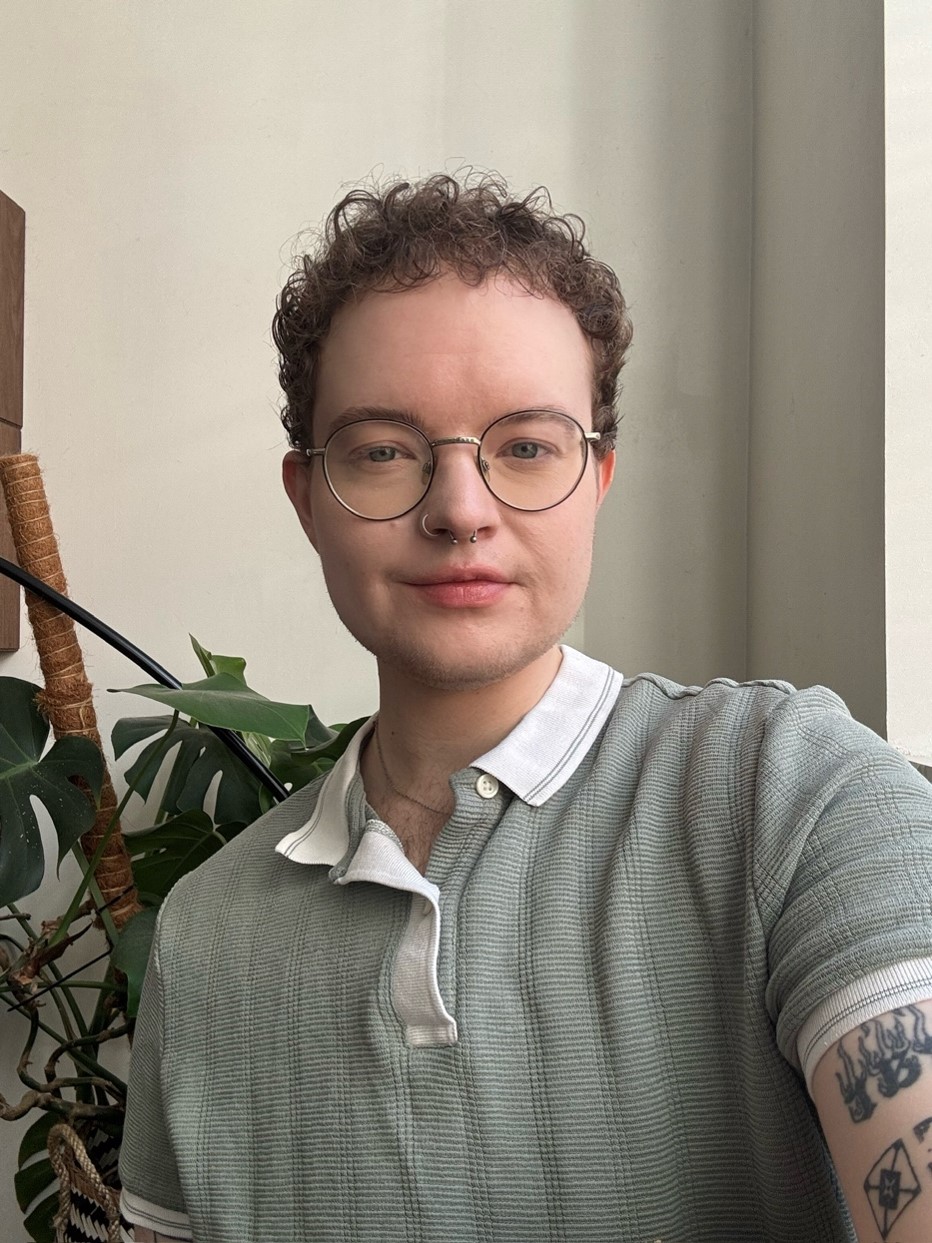
Daniel Griffiths (he/him)
ESRC Postdoctoral Fellow, University of Southampton
Dr Daniel Griffiths (he/him) is a Postdoctoral Fellow at the University of Southampton in the School of Psychology. His research seeks to advance more balanced understandings of gender euphoria and authenticity in transgender, non-binary, and gender diverse (TNGD) populations to reduce wellbeing disparities.
Daniel’s PhD work centred on experiences of gender euphoria within TNGD people’s sexual lives and their relationships with sexual wellbeing. His fellowship builds on this work by examining the relationships between authenticity, gender euphoria, and broader aspects of TNGD people’s lives. Through this, Daniel aims to develop a more nuanced understanding of positive experiences among TNGD people and to broaden perspectives that have traditionally focused predominantly on gender dysphoria and associated difficulties.
Alongside his research, Daniel is committed to communicating findings to both academic and public audiences. During his fellowship, he will also foster academic collaborations and undertake research visits across the UK to engage with organisations working with TNGD communities. These visits will support knowledge exchange and help ensure that the development of future research projects is informed by the perspectives and priorities of relevant communities and organisations. Through these activities, Daniel aims to build lasting collaborations and develop a programme of research that is scientifically rigorous, community-informed, and responsive to the diverse experiences of TNGD people.
ORCID: 0000-0001-6349-9505

Fraedan Mastrantonio (they/them)
ESRC Postdoctoral Fellow, University of Southampton
Fraedan Mastrantonio (pronouns: they/them) is a quantitative researcher whose work focuses on the intersections of non-binary and autistic identities, sexuality, and wellbeing. Their SCDTP fellowship research will look at the roles of masking and minoritized statuses in shaping sexual outcomes, sexual wellbeing and mental health among autistic and non-binary people.
Fraedan has published research in The Journal of Sex Research, Archives of Sexual Behavior, and The Journal of Transgender Health, and has contributed to both academic and community led conferences on gender, sexuality and autism. Their research is informed by the experiences and priorities of autistic, non-binary and trans people, with a focus on working alongside community experts and professional partners to support more inclusive approaches to research and practice.

Qianwen Duan
ESRC Postdoctoral Fellow, University of Southampton
Qianwen Duan is an ESRC Postdoctoral Fellow at the University of Southampton, School of Geography and Environmental Science. Her fellowship builds on her doctoral research, which explores population redistribution and human mobility using mobile phone data. She measures the emerging trend of counter-urbanisation, where people move away from city centres towards smaller towns and rural areas, and explores its potential social and environmental implications.
During her Postdoctoral fellowship, Qianwen will disseminate her research through publications and conferences. A key focus of her fellowship is translating research into policy and wider societal impact. She will host a workshop bringing together policymakers and stakeholders to explore how near-real-time location and mobility data can complement census-based evidence, identify emerging spatial pressures, and support more timely policy decisions.
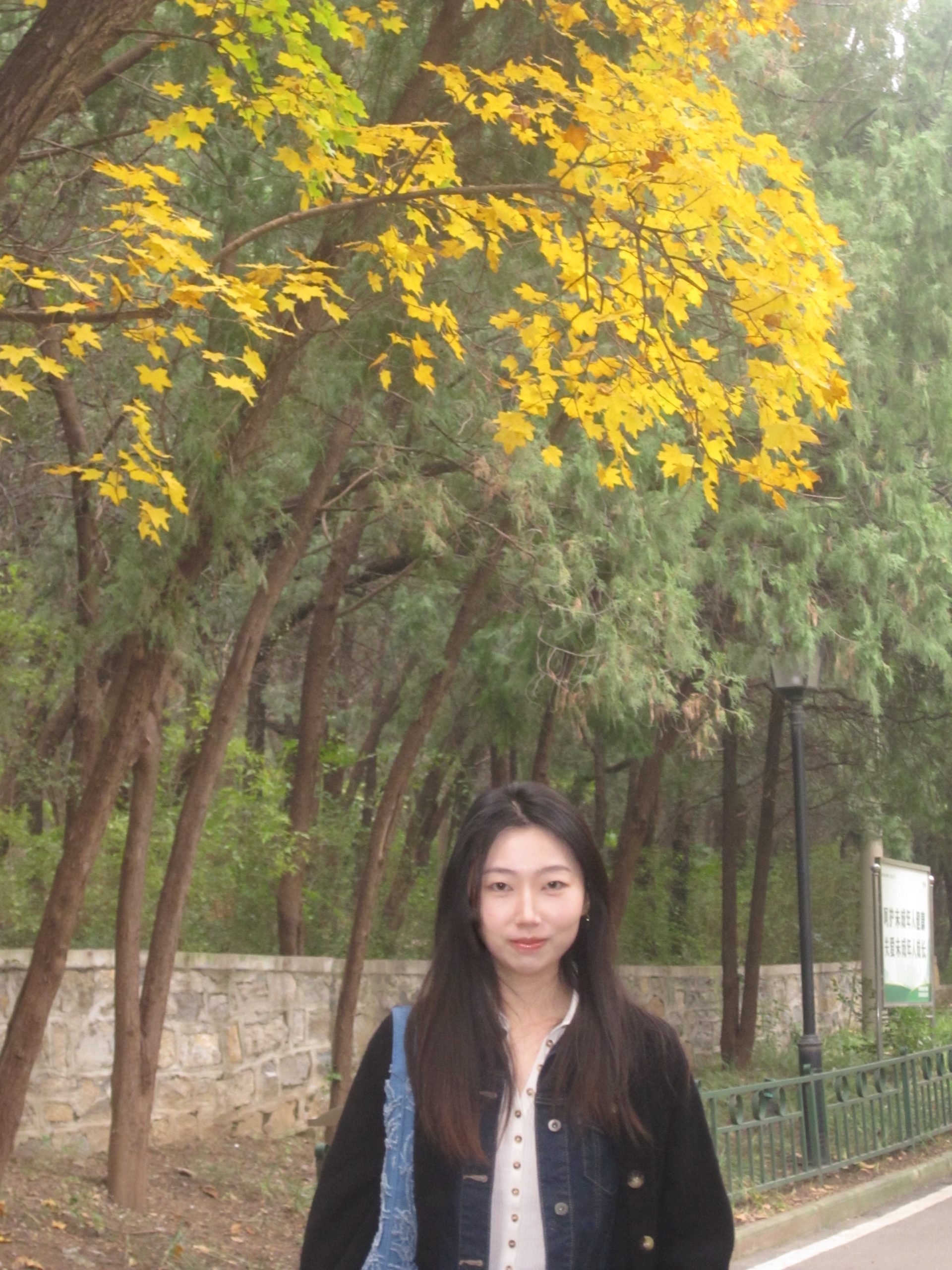
Wenjin Liu
ESRC Postdoctoral Fellow, University of Southampton
Wenjin is an ESRC Postdoctoral Fellow at the School of Psychology, University of Southampton. Her research focuses on the psychological mechanisms underlying help-seeking for psychosis, particularly the roles of attachment.
Her PhD research examined how attachment-related processes influence help-seeking and help acceptance among people experiencing paranoia and psychotic experiences, using qualitative, correlational, and experimental methods. Her SCDTP postdoctoral research will continue this work. Her work also involves collaboration with people with lived experience and mental health and community organisations, with the broader aim of translating psychological research into improved support for people experiencing psychosis.
Varsha Shankar
ESRC Postdoctoral Fellow, University of Portsmouth
Varsha Shankar is joining the SCDTP as an ESRC Postdoctoral Fellow at the University of Portsmouth. Varsha has not yet started her fellowship, and her full profile will be updated here soon.
Danyang Li
ESRC Postdoctoral Fellow, University of Southampton
Danyang is an ESRC Postdoctoral Fellow at the Centre for Research on Self and Identity, School of Psychology, University of Southampton. Her fellowship builds on the findings of her doctoral research, which used attachment-related (close emotional bonds with important others) experiments and attribution-related (how people explain causes) principles to better understand romantic relationship quality. Her work contributes to integrating attachment security enhancement with cognitive restructuring techniques — ultimately aiming to help individuals build healthier and more secure relationships.
During the fellowship, Danyang will continue to explore the mechanisms linking early-life attachment experiences to future relationship outcomes. She will also actively seek collaboration with national relationship organisations or online platforms to adapt her newly developed and published Hostile Attribution Bias scale into a practical self-assessment toolkit. This resource will be freely available to both research and clinical communities.
Know more about her work here.